Showing posts with label wildlife. Show all posts

Sunday, 3 August 2014

curlews

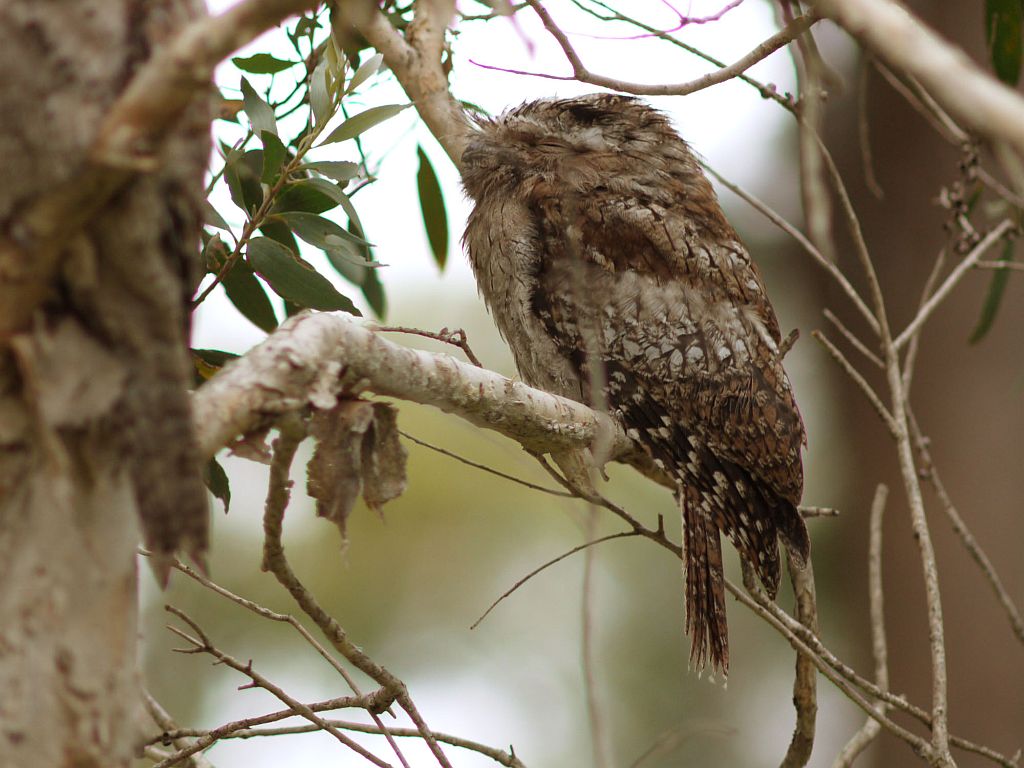
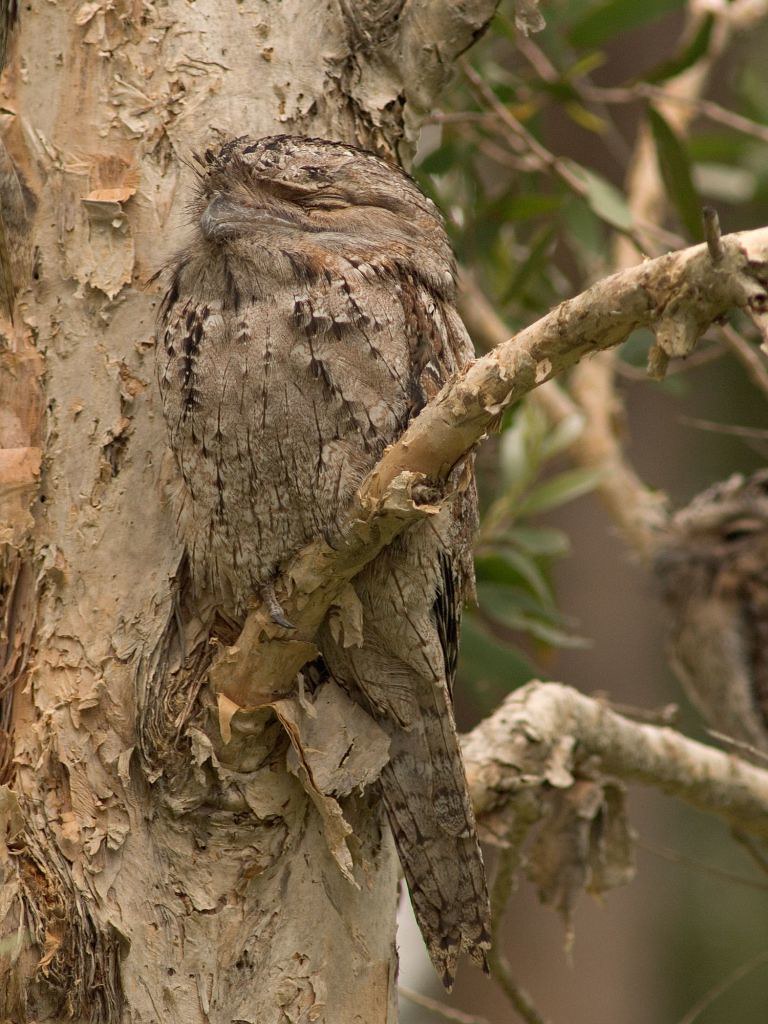
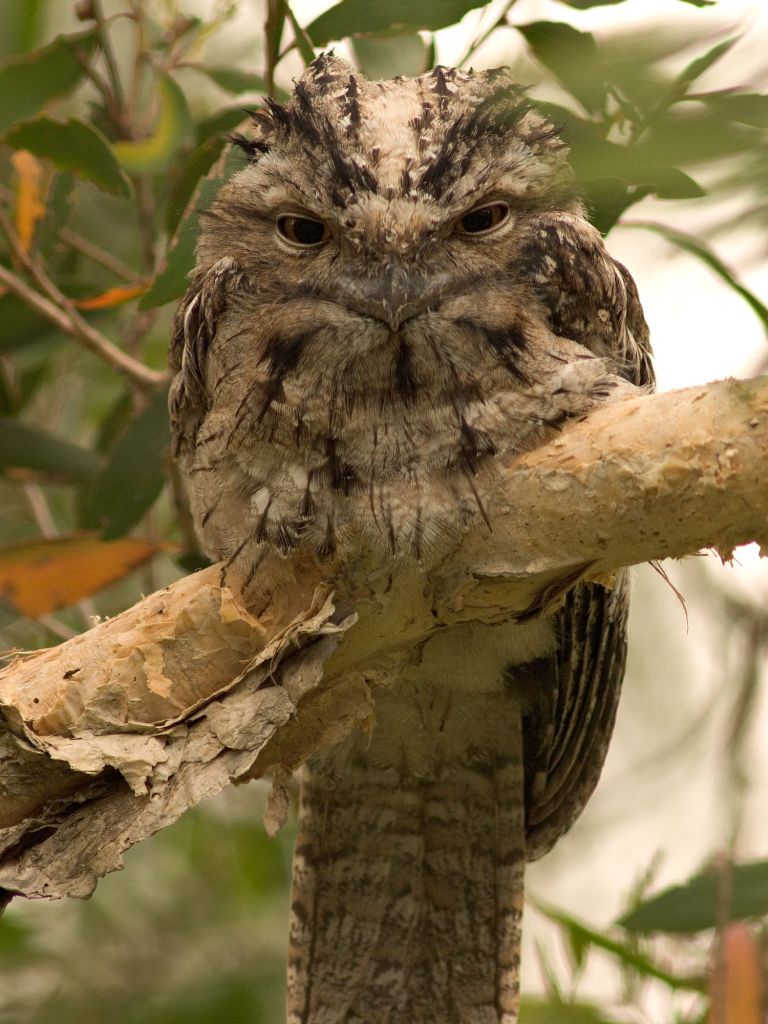
These guys (curlew) are nocturnal, but seem to "get ready" to come out in the early evening.


where they just "chill" and pretend that if they don't move you can't see them


but of course we can't tell them they're wrong ;-)

Saturday, 8 March 2014

a thump

The snow is receding around here and so while the lake is still carrying weight (and not too wet) I thought I'd go for a walk out to one of the islands in the middle.

There was just enough icy snow left in places where you could have skied but it was windy and sleeting, and most of all the tracks to the lake are not skiable at the moment, so like others I walked.

Out on the island there is a small cabin which seems like the sort of place where people go for small conferences or some sorts of meetings or workshops. I'd never been out there before and so thought I'd make the time to have a gander myself.

As I approached the building I could see that there was a  broken window. Initially I thought "ouh bugger, someone has come all the way out here just to break a window".


But as I got closer I could see that it wasn't vandalism but just a small tragedy of nature.


I think its a Grouse. Not wanting to cut myself I thought I'd just leave it all for the people who'll have to fix the window.


Friday, 10 December 2010

cane toads

These guys were imported to Australia by the government in a (failed) attempt to make a biological control system for the Sugar Cane industry (also built on an imported plant).

The Cane toad is not only an effective breeder but has no natural enemies in Australia. As they are also a poisonous toad handling them can be dangerous.

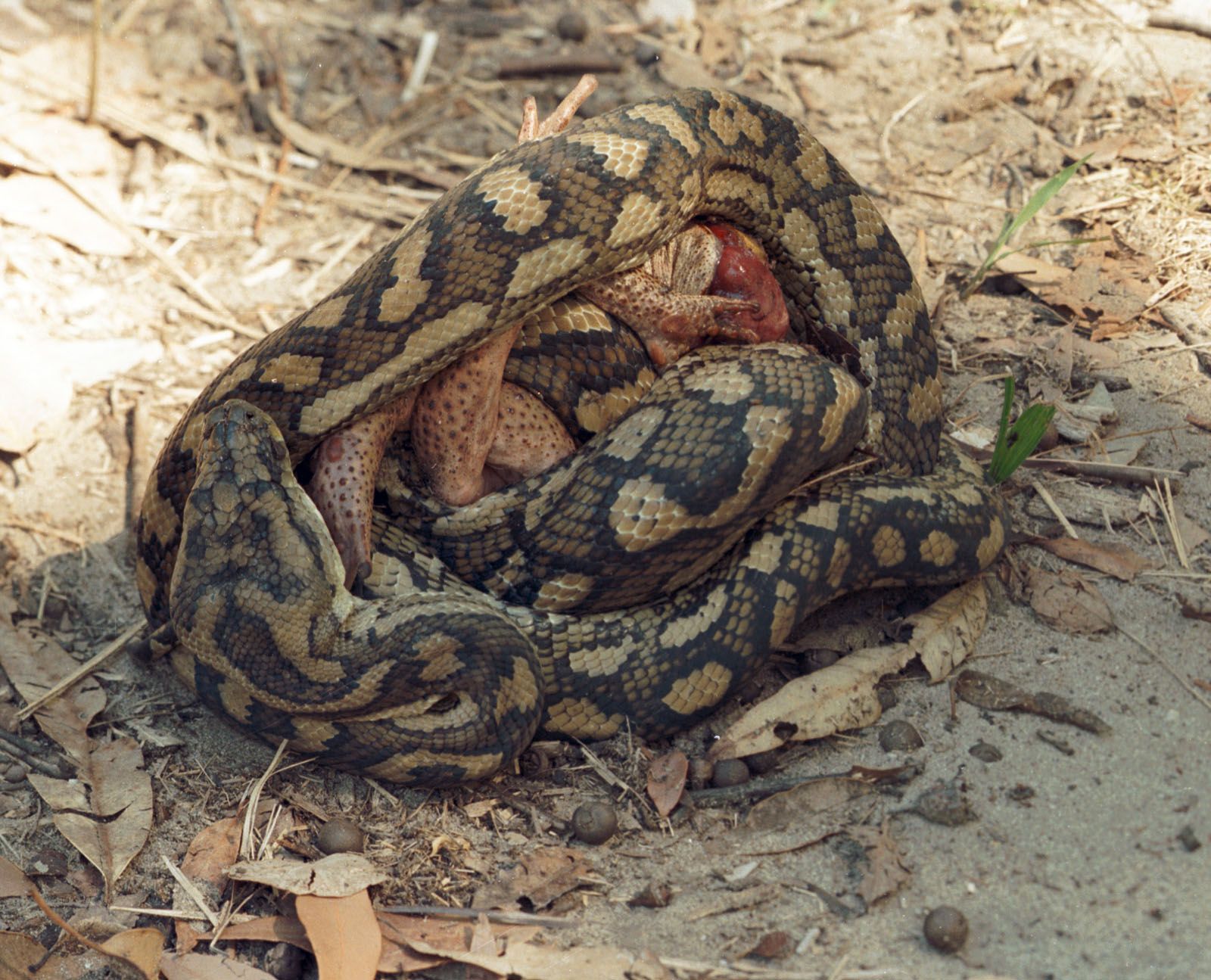
Most Australians know to kill as many of these creatures as you can (which still won't be enough) as they spread and populate the continent. The image below shows a native python engaged in a typical way of killing its prey before eating it. Sadly it was a cane toad, which as I mentioned above are poisonous.

shortly after this the snake died ... before even trying to eat the toad.

This highlights why these creatures are deadly to Australian wildlife and are quite a massive threat to our ecosystem.

Australians employ all manner of methods for killing them. Clubbing, spearing, burning ... the list of horror goes on.

Rather than condone creating suffering I prefer to kill the toads I find by putting them in a plastic bag and putting them into the freezer. There they quietly go to sleep and well after they are unconscious the freezing process kills them.

You can then take them out of the freezer and put the bag in the bin.

Just be sure to label them clearly, as you don't want to be looking for some chicken for dinner and thaw out a cane toad by mistake ;-)

photo info
The above photo was taken with my EOS system and 35mm film. I used my TS-E 90mm (my favourite lens) to allow me to keep DoF along the snake and keep the aperture open more to maintain shallow depth of field. If you look carefully you can see that the plane of focus goes from the bottom left corner, up through the snake, and out to the mid right. Only a 4x5 field camera would enable better control over the focal plane than this. Gosh I liked that lens, but as I transited to digital I sold the TS-E lenses as they just didn't translate to smaller sensors well. Perhaps I'll get some again if I go for a 5D or other full frame camera.

Who knows...

Thursday, 25 November 2010

Eric the fruit bat

We have a smallish peach tree in the back yard, which we'd like to get a taste ofthe fruit from this year.

However the local birds (Currawongs) seem to be doing their best at pecking them well before they're ripe.

So we put some bird netting over the tree to hopefully reduce the losses.

Today late in the arvo I was looking out at the tree and noticed some bundle of black rolling around in the netting ... yep a fruit bat had made its way into the netting and gotten caught up.


so armed with the scissors and a ladder my wife and I carefully cut him (or her) out.

The poor creature looked so shagged from the struggle we thought that a local cat might get it. So we rummaged about for a box and brought it inside for a bit of recuperation.


It didn't seem comfortable with the box so I cut a couple of holes in the sides and pushed a bit of wooden dowel through ... give it something to hang from ...


it seemed more comfortable, so we thought we'd give it some food and drink to help it recuperate from the struggle. He didn't seem so keen on the apple slice (although he kept licking it) so I thought about some (recently home made) strawberry nectar mixed with water. Some sugars and water ... seemed to be a hit as he drank from the end of the syringe as if he was born to the job...


after a hour or so I took him out and placed the box near another tree, and he climbed out and into the tree.

An hour or so later on and I heard the rustle of him moving off and getting back to life again.

One more wrong righted

Sunday, 21 November 2010

dads back yard

Dad called me today to say there was a family of Tawny Frogmouths just recently out of the nest in the back yard. So I pulled out my trusty FD 300mm f4 and my G1 and toddled over.

They're commonly thought of as Owls, but they are in fact not. They are related to the Nightjar family.

They are nocturnal, so there isn't much activity by day ..


sleepyTawnt

just keeping still

twoTawnys
and keeping an eye on photographers

awakeNow

But this is the "classic" pose for the Tawny.

classicPose

I must say I'm quite pleased with my existing image making tools. The G1 does well with adapted lenses in this sort of work

People today confuse me ... they want to spend thousands on cameras and lenses which more often not fail to do any better than this. They often fail to see the worth in learning a little about their craft and equipment. These were taken with a lens made in 1970.


G1 with 300mm f4

I just use a monopod to stabilise it and this wonderful optic can get images which are as sharp as you could ask for. This is a 100% sample from the keeping still image above (click it to load the full image).


enough detail to make a very good looking 50cm high print of the little guy

Tuesday, 19 October 2010

two faced

I was reading today that people who interfere with wildlife can face a fine of up to $55,000 and 5 years in prison.

so if you toss rocks at a native animal beware.

If however you're a developer or forest clearing company you can of course destroy their habitat and directly or indirectly interfere with or kill untold thousands of them ... even if they're endangered.

That of course is bringing a benefit to the community.

Tuesday, 12 October 2010

new arrivals

It seems so long ago that I blogged about the Plover nesting in front of our building. Despite many daily irritations of people passing by and indeed sitting right beside the nest, today her and her partners hard work paid off.

This little fella emerged from under her.

parent+kid

Since it was right in front of the security office I had left a note with the security staff to call me if they spotted it hatching. Just as I was about to go home today I got the call that one had hatched and was running around ...

theFamily


She started off with 4 eggs, and a few weeks ago it had dropped to 2 eggs, and as I was leaving work today only one chick had emerged. I couldn't wait around to see if the other one hatched, but the mother was still returning to the nest and sitting on the egg occasionally, so I won't know till tomorrow morning.

Meantime I thought you may enjoy seeing how this cute little fella starts its life.

headdingOff

its so cute isn't it ... one parent is trying to lead it away ...
but I think its still trying to sort out what and where for everything else

headdingOff2

With all the obstacles (lawnmowers, storms, cold rain, people ...) I'm glad he made it this far

post scriptum


On the way into the office this morning I see that one of the parents is on the nest again probably trying to give the other egg more time. The "chick" is hanging around under the parent. So the may raise 2 chicks from the nest.

A day later and this little fellow emerged from the shell


very cute

Tuesday, 14 September 2010

the brain of a bird

Who can tell exactly what goes through a birds mind when its making a decision about nesting. Plovers (or more specifically "masked plovers") in Australia are renown for both strange choices and being oblivious of things around them when it comes to picking nesting sites.

Walking into my work building the other day I noticed that this one seemed to be nesting on the small patch of grass right outside.

P1090566
Certainly, she's nesting...


Its not a smart location because when viewed from another angle (like from upstairs) she is about here...

P1090573

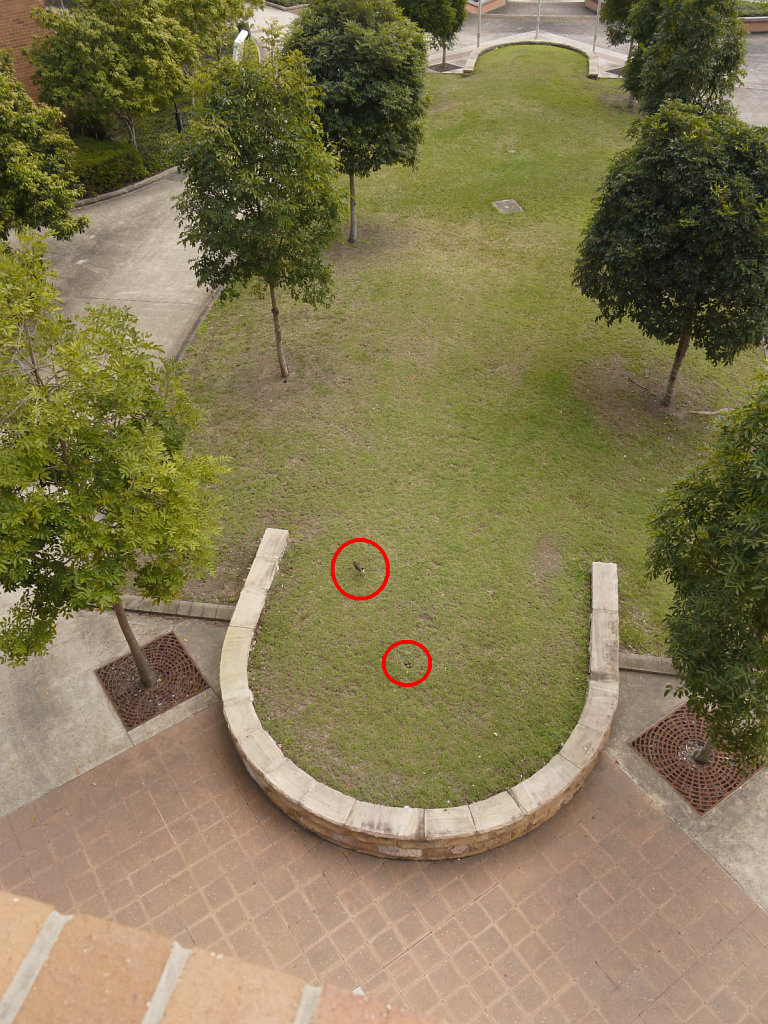
Right in front of our building ... I've put a red circle on the bird (who went for a walk off the nest) and the nest site.

While I'm up here I can show you that she has 4 eggs on the go ...

P1090571

Its interesting to note in this photo just how many cigarette butts there are littering the ground out front ... and to think we teach medical staff ...

As a brief diversion. When I was in Singapore I noticed this on the footpath at traffic lights ... right where people look down ...

tar

and still they smoke ... but I digress. From ground level the eggs are quite well concealed.

P1090570

but of course the mother makes it pretty obvious.

Its worth mentioning that this is the entry to a University library and (later in the day) gets quite busy. Now, while plovers seem to not care where they put their nests that's not to say they don't take exception to anyone walking close to the nest ... like along the path.

So every time someone walks past the joint she runs off the nest and starts chattering and making noise to drive off the intruder (while attempting to distract them from the location of the nest).


and they can get quite agitated if you don't go away soon too.


its not going to be a restful location to raise her brood ... for anyone

Monday, 6 September 2010

blue tongue

my wife called me at work today to say a lizard had made its way into the laundry and vanished.

I immediately suspected a blue tongue.

When I got home I found him (or her) wedged under the freezer. They love places like that ... and the motor is warm too ... ouhhh

We'd been doing a little clearing in the back yard (and so too had the neighbor) so we'd probably ripped up its habitat.

So not wanting to let it either get stuck in the laundry or get mauled by a cat we lifted up the freezer and I caught it. We put it in a box while we had dinner, and thought perhaps it might like a slice or two of the steak we were cooking ... seems it did.

So after dinner we took it down to the bottom of the hill where there is a little remnant bush and let it go.

P1090499

Seemed a little sluggish (well it was night time and he'd just eaten)

P1090500

but soon enough it was off into the bushes...

P1090505

and hopefully to continue a long and happy life.

If you've never seen one up close they are quite cute, one from another day:


and have the most interesting details, like the little scales which cover their ear holes


this fellow I did not relocate, but left lying around in my yard. He (or she) didn't seem to mind the photography session, but some weeks later I found him ripped apart by some local kitty cat.

I don't like cats in Australia, they are responsible for the deaths of many native creatures here.

Pitty one can't get rid of the local cats....

Wednesday, 11 August 2010

Bundjalung

I thought I'd share a little of our trip to Bunjalung National park in Northern New South Wales

The park is situated between Evans Heads and Iluka


View Larger Map

Its a typical bit of (or typical of what was) coastline in this area. It shares similarity with the Fraser Island coastline with differences.

There are fresh water creeks meandering along towards the ocean through sandy wetland areas behind the dunes ...

creekPano

a variety of birds like the Wren who was bothered by his reflection and this white cheeked honey eater

P1090386

Just down the beach at the Iluka end is a small remnant of the sort of rain forest which was common in the region.

P1090333~9

To quote from the park brochure:
Iluka Nature Reserve contains the largest remaining stand
of littoral "by the sea" rainforest in New South Wales and is a
World Heritage listed Gondwana rainforest.


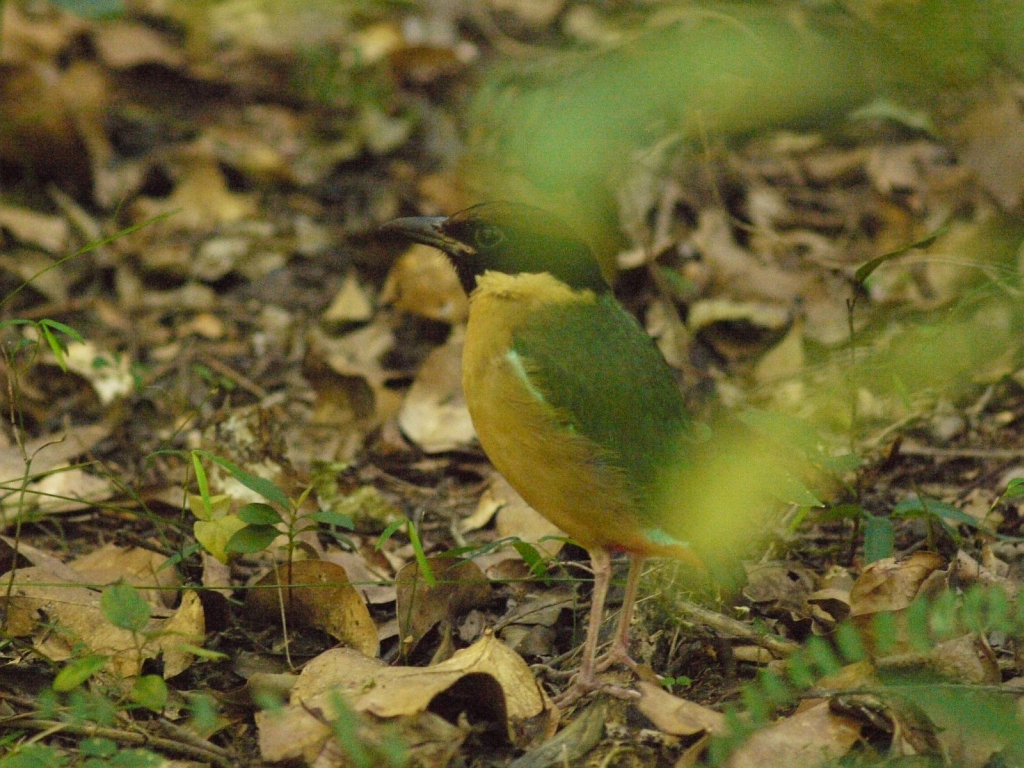
I got my best ever sighting of a Noisy Pitta (I think its a Noisy Pitta) there (and certainly the best picture so far).

rainbow pitta


We had a quiet time, with plenty of local visitors to pop in to your campsite during the day (while you read a book or generally lounge about if you have not gone for a walk)

P1090305

While out on the trail (amid the thick growth of various types of hardy salt tolerant plants) are a variety of lovely (and unusual) flowers.

P1090255

not to mention great beaches to go fishing on ... gotta have something for dinner!

P1090224

which of course brings me to an important point. If you're going to go fishing with the kids, teach them good habits, not bad ones. Way way too many fishermen these days just toss their lines around, leave garbage everywhere, don't know how to tie a line on properly and many many more bad habits. This leads to the deaths of sea birds which just don't need to happen. This Albatross was just such a casualty

deadAlbatross

with a hook wound in its lower jaw and a line pulled through ...

hookLineKilled

the bird would have died a slow death of starvation with this caught in its bill. So please, you fishermen, be a little careful.

Another small annoyance was the fact that NSW National Parks didn't seem to know the place well, in fact not seem to know much about the park at all (even when you ring the number specific to that park).

For instance we picked a campsite in the middle of the park (Black Rock) with the express intention of being able to drive down the beach (in the 4WD) to the southern end of the park (where the rain forest is). This is important as to get to the other end of the park by road requires about a 70Km road trip (an hours drive), rather than a 10Km beach drive.

They confirmed that the track was open to the beach and there was no problem. Except of course it wasn't open.

beachAccessBlocked

... nor was it a recent event looking at the concrete block and the sign posted from the beach side.


beachSign

or the amount of overgrowth on the track...

beachTrackRegrowth

Which is interesting, as it demonstrates just how fast the dunes can regenerate from simple incursions such as a road through them. I think this is a significant issue for the environmental freaks (I consider myself an environmentally conscious person) who jump up and down about dune damage. This indicates that specifically planned and localised removal of the dune ecology for a road access will recover fast ... unlike say rampant dune crawling and hooting by hoons in big tyred beach buggy dune things.

Locals told me that they had heard that the National Parks People were suggesting that it will cost half a million bucks to rebuild it ... say what?

For gods sake, give any local fella with a D6 the job of carving a track down and it could not come to anywhere near that.

For Goodness sake, it doesn't need surveys, impact studies, community consultation ... just cut a track through. It is in fact such a tiny fraction of the coastline there in reality and clearly will grow back quickly when closed or moved.

brokenBeachAccessLooking at how they've done it in the first place, it seems they tried to build something up out of rock and stone. Seems a stupid method to me, as after living most of my life around this area it would just wash away with the first major storm or cyclone (which it seems to have done).

Well anyway ... Bunjalung is a lovely place, well worth the visit and the drive. I recommend staying at the Iluka end of the park as you'll have better access to the entire park and be able to nip into town easily.

Lastly its important to take water with you as there is no freshwater available at Black Rock campsite and the facilities are only composting type toilets (not flushing) and there are no showers.

Important information can be found on the website (as long as that link doesn't get changed or that site reorganised ;-)

Monday, 9 August 2010

the smart one gives up first

We were camping on the weekend (had a great time too) and on the first morning we found that we had given some new competition to the the local splendid wren.


My wife heard something going "thump" from the early hours of the morning (from inside the tent) and it seems that it was this little fella taking exception to the new wren trying to muscle in on his territory.

All morning he'd been whapping himself at the mirror, flying in to attack the other bird.

The problem is the other bird didn't pull back or 'chicken out' ... thump

After breakfast and no sign of him stopping (his "wife" even joined in attacking that other hot chick) we thought we'd better cover the mirrors.

you know ... so he wouldn't brain himself on the mirror.

This wasn't entirely successful as he already knew there was another bird around. Can you see his reflection there beside him?

You guessed it ... pretty soon he did too!


Hey, so that's where he went ... So soon he was all over the car


hassling that bird in there ...

We went for a walk for a few hours (what else would you do), up to the end of the creek where it came out into the surf. There were some pied oyster catchers and a bunch of terns.


It was lovely out there ... but when we came back in the after noon we found he was still at it ...

There is a saying in Finland that fits this, they say
"fiksumpi antaa periksi"
which means "the smarter one gives up first"

So I moved the car